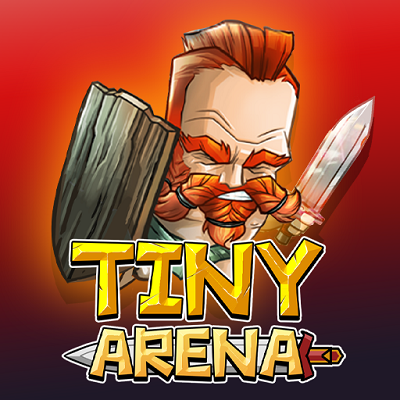
Tiny Arena - Your Build Decides the Fight Before It Starts
The match lasts thirty seconds. The preparation before it determines whether those thirty seconds feel controlled or desperate. Tiny Arena is a 2D fighting RPG where individual fights are short, intense, and readable - but the layer underneath them is a progression system that rewards players who think about how they want to fight, not just whether they can win the next match. A high-damage attacker and a defensive tank both work in this game. They work differently, against different opponents, and require different habits. Picking one and committing to it is more effective than trying to cover every situation with a generalist build.
What the Combat Actually Demands
Tiny Arena separates itself from button-mashing fighters through the way it weights timing and positioning alongside raw attack output. Light attacks chain into combos quickly but leave you exposed if the enemy reads your rhythm. Heavy strikes deal more damage but have recovery frames that punish mistimed use. Special skills are the differentiator - players who use them reactively, responding to what the opponent is doing rather than on a fixed rotation, consistently perform better than players who treat skills as cooldown timers to burn.
The animations are readable by design. Enemy telegraphs are visible before attacks land, which means the fight rewards attention as much as reflexes. A player paying attention to what the opponent's animations are signaling will dodge situations that a faster but less attentive player walks directly into.
Building Your Fighter Is a Strategic Decision
The RPG layer in Tiny Arena isn't decoration. Experience earned from fights feeds into level-ups that open new ability slots, and gear collected through campaign stages and competitive matches directly changes damage output, defense values, and available skills. Equipment choices have consequences: a weapon that increases heavy attack damage changes when you use heavies in a combo string. Armor that improves defense changes how aggressively you can position in close range.
Three build directions work at high levels. An aggressive damage build shortens fights and puts pressure on opponents to play reactively, but leaves you vulnerable to players who can absorb early hits and punish overextension. A tank build extends fights and lets you outlast opponents who rely on burst damage, but requires patience and good defensive positioning to win consistently. A balanced build covers more situations but requires better decision-making to compensate for not having a dominant strength in any one area.
The campaign is the right place to experiment with build directions before taking them into PvP, because the enemy patterns are predictable enough that you can test whether a gear combination actually performs the way you expect it to.
Campaign vs Multiplayer - Different Skills, Same Foundation
The campaign stages introduce enemy types progressively, giving you time to learn patterns and adjust your build before the difficulty escalates. Boss fights in particular demand pattern recognition - each boss has a burst window where damage lands efficiently, and a defensive phase where attacking is less effective. Players who identify these windows early clear bosses cleaner and with better reward returns.
Multiplayer arena matches test the same skills against unpredictable opponents. The builds that work well in campaign carry over, but PvP rewards adaptation in a way campaign doesn't require. An opponent who reads your combo rhythm and starts dodging on the third hit requires you to vary your timing - something the campaign's scripted enemies never force you to do.
How to Play
Press A or D to move backward and forward across the arena
Press W to jump and create vertical separation or set up aerial attacks
Press Spacebar to attack and chain light hits into combo sequences
Press J or K to activate special skills during fights
Click to follow in-game prompts and continue between stages
One Adjustment That Changes Multiplayer Results
Stop using special skills on a timer. The instinct to activate a skill the moment it comes off cooldown is strong, but the players climbing competitive rankings use skills in response to opponent positioning - when the enemy is in a vulnerable state, not just when the ability is available. That shift from cooldown-based to situation-based skill usage produces a noticeable improvement in PvP win rates within a few sessions.
Enter the arena in Tiny Arena - free at OhGames.io. The build that wins isn't always the strongest one. It's the one that fits how you actually fight.
More like this:
Stickman War - side-scrolling action RPG with deeper skill trees and boss pattern recognition
Overrun - arena survival where positioning and upgrade sequencing decide the run