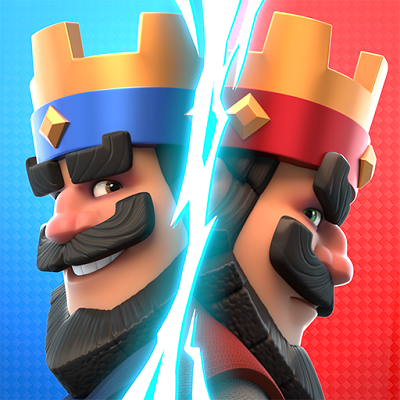
Every Clash Royale match has two phases, and experienced players build their decks for the second one. The first two minutes are information gathering: you watch what your opponent plays, identify their win condition, and manage your elixir conservatively. Then double elixir begins. The pace doubles, the threat level spikes, and the deck you built suddenly needs to execute. Players who don't understand that they've been in the setup phase all along often lose here. The double elixir minute is the match.
Double Elixir Changes Everything
When the timer hits one minute remaining, elixir generation doubles. Cards that were too expensive to play defensively in the opening become viable counters. Cycle decks can rotate through their entire hand twice before the match ends. Players who saved their best offensive push for this window suddenly have the fuel to execute it.
The strategic implication is significant. A deck built with good opening-game card costs is often wrong for the double elixir phase. The strongest deck constructions include cheap cycle cards that generate value in the opening and heavy win conditions - Hog Rider, Giant, Balloon - that get deployed in the final minute when the elixir flow supports them. If you're still figuring out your deck, ask what your plan is for the last 60 seconds. That answer defines what the rest of your eight cards should be.
How the Core Battle System Works
Clash Royale places two players in an arena with three towers each - a King Tower and two Princess Towers. You each bring an 8-card deck. Cards represent troops, spells, and buildings, each with an elixir cost. Elixir regenerates over time; spending it wisely is the baseline skill. Matches are won by destroying more towers than your opponent when time expires, or by taking out the King Tower for an instant win.
Cards are deployed by clicking and dragging them onto the battlefield. Troops automatically move toward enemy towers and engage anything in their path. Positioning at the moment of placement determines whether a troop reaches a tower before being intercepted. Placing a tank troop slightly ahead of a ranged unit behind it is the foundational offensive combination - the tank absorbs hits while the ranged unit deals damage from relative safety.
Controls
Left Click - select a card from your hand
Click and Drag - place troops, spells, or buildings on the battlefield
Click - navigate deck and card menus between matches
Building a Deck That Survives the Opening
The counterattack principle - defend first, then push with your surviving troops - is the single most effective tactic for new players to internalize. When your opponent places a strong push and you stop it with fewer elixir than they spent, the troops you used to stop it become the start of your counterpush. You're now attacking with an elixir advantage. This cycle, repeated well, is what wins games at every level.
Spell timing is the refinement. Spells used in the first two minutes for minor damage are often wasted. Held for a counterpush or a final tower push in double elixir, the same card decides the match. Clash Royale rewards patience in card deployment more than any other single skill.
Why Deck Building Never Gets Old
The card roster gives every playstyle a viable toolkit. Beatdown decks build around a massive frontline unit and stack support troops behind it. Cycle decks use cheap cards to rotate through the deck faster and wear opponents down with repeated pushes. Control decks play reactively, stopping everything and winning on accumulated elixir advantages and counterattacks. Siege decks deploy buildings that attack towers from long range while the opponent tries to break through your defensive line.
Frequent balance updates shift which decks are strongest without invalidating existing ones. Seasonal events introduce challenges that restrict or modify the card pool, rewarding players who can build and execute outside their comfort zone. The game is genuinely different at different skill levels, which is rare.
Jump in and build your first deck -Duo Defense keeps the tower defense strategy going in a different format, andSoyjak Siege brings its own take on wave-based combat.