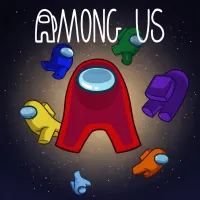
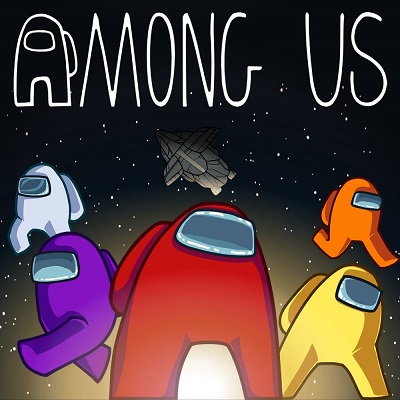
Among Us is often described as a game about completing tasks and avoiding the impostor - but that framing misses where the game actually lives. The task phase is evidence collection. The meeting is where Among Us is played. Everything you do walking the map - finishing wires, taking note of who followed whom - is material you'll need when the emergency button gets pressed.
The Meeting Is the Real Game
When a body is reported and players gather to vote, the entire match compresses into two minutes of argument. Who was where. Who accused someone the moment discussion opened without pausing to consider. Who had a task animation and who was standing near a panel doing nothing. Every vote is made on incomplete information because nobody saw everything, and the best players understand that how you frame your evidence matters as much as what you actually saw. Crewmates who stay quiet in meetings are just as suspicious as impostors who talk too much.
Roles, Tasks, and What Victory Looks Like
Among Us assigns each player one of two roles at the start of every round. Crewmates navigate the map completing task mini-games - rewiring panels, emptying garbage, downloading data - and winning by finishing all assigned tasks or voting out every impostor. Impostors work against this by faking tasks, triggering sabotages that force the crew into dangerous positions, and eliminating players when sight lines are clear. A completed task bar wins for the Crew regardless of how many players are still alive, so crewmates who survive long enough to contribute without getting voted out are doing exactly what the role requires.
Controls
WASD / Arrow Keys - move
E - interact / use / complete task
R - report dead body
Q - kill (Impostor only)
Tab - open map
Sabotage button - trigger system failure (Impostor only)
Vent button - use vent (Impostor only)
The Art of Looking Innocent
The hardest part of playing impostor isn't the kill - it's the two minutes before and after it. Standing near a task panel without actually doing the task. Reacting to a body report with appropriate surprise, not too fast and not with suspicious certainty. Knowing which sabotage pulls the crew toward a central location that favors an elimination versus which one forces a split that buys time. Experienced impostors don't just avoid suspicion - they manufacture a plausible timeline and commit to it before the discussion even starts.
Why No Two Rounds Are the Same
The replayability of this game comes from human behavior, not level design. A map you've played fifty times still produces situations you've never seen because the players in each round behave differently. Group dynamics shift mid-session - quiet players draw sudden suspicion for saying nothing, alliances form around shared observations, accusations cascade in directions nobody predicted. Alternate roles in certain server settings, including Engineer, Scientist, and Guardian Angel, change how information moves through the round and open new angles for both deception and detection.
Free to play, no install required -Worm Hunt delivers multiplayer chaos with a completely different dynamic, andEmberwars.io puts a sharp competitive edge on group conflict if this one clicked.